Public Information inquiries may be directed to 334-242-3417 or emailed to publicinformation.dmh@mh.alabama.gov.

To be added to the Press Release Distribution List, email publicinformation.dmh@mh.alabama.gov with your email.

Below you will find press releases issued by the department and news articles about ADMH or related to mental health.


Montgomery, Ala. - The Capitol Showcase, an art exhibition with pieces created by individuals with mental illnesses, substance use disorders,
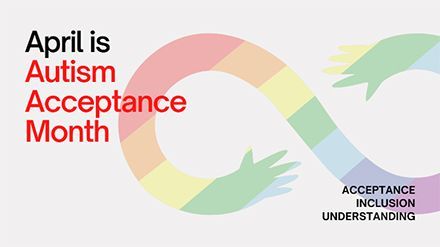
AUTISM ACCEPTANCE MONTH Celebrating Differences, Creating Connections, Empowering Communities   Montgomery, Ala. - Join the Alabama Department of Mental Health
ADMH logo which stands for Alabama Department of Mental Health
The Alabama Medicaid Agency invites providers, recipients, advocates, and other interested individuals to provide input during a public forum on
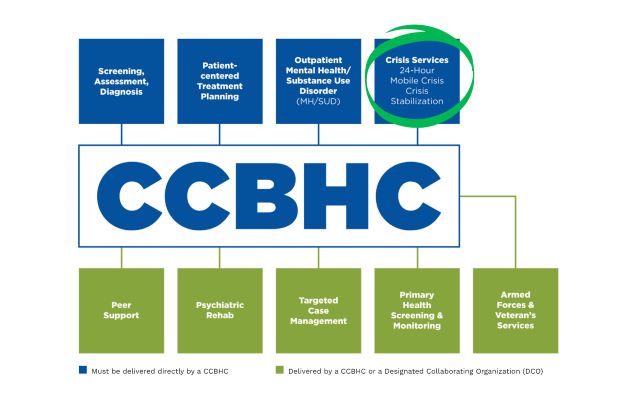
CCBHC image shows 9 services of a CCBHC
ALABAMA AWARDED GRANT TO DEVELOP STATEWIDE CRITERIA FOR CERTIFIED COMMUNITY BEHAVIORAL HEALTH CLINICS   Montgomery, Ala. – The Substance Abuse and
National Drug & Alcohol Facts Week
NATIONAL DRUG AND ALCOHOL FACTS WEEK March 20-26 Montgomery, Ala. – The Alabama Department of Mental Health (ADMH) celebrates and
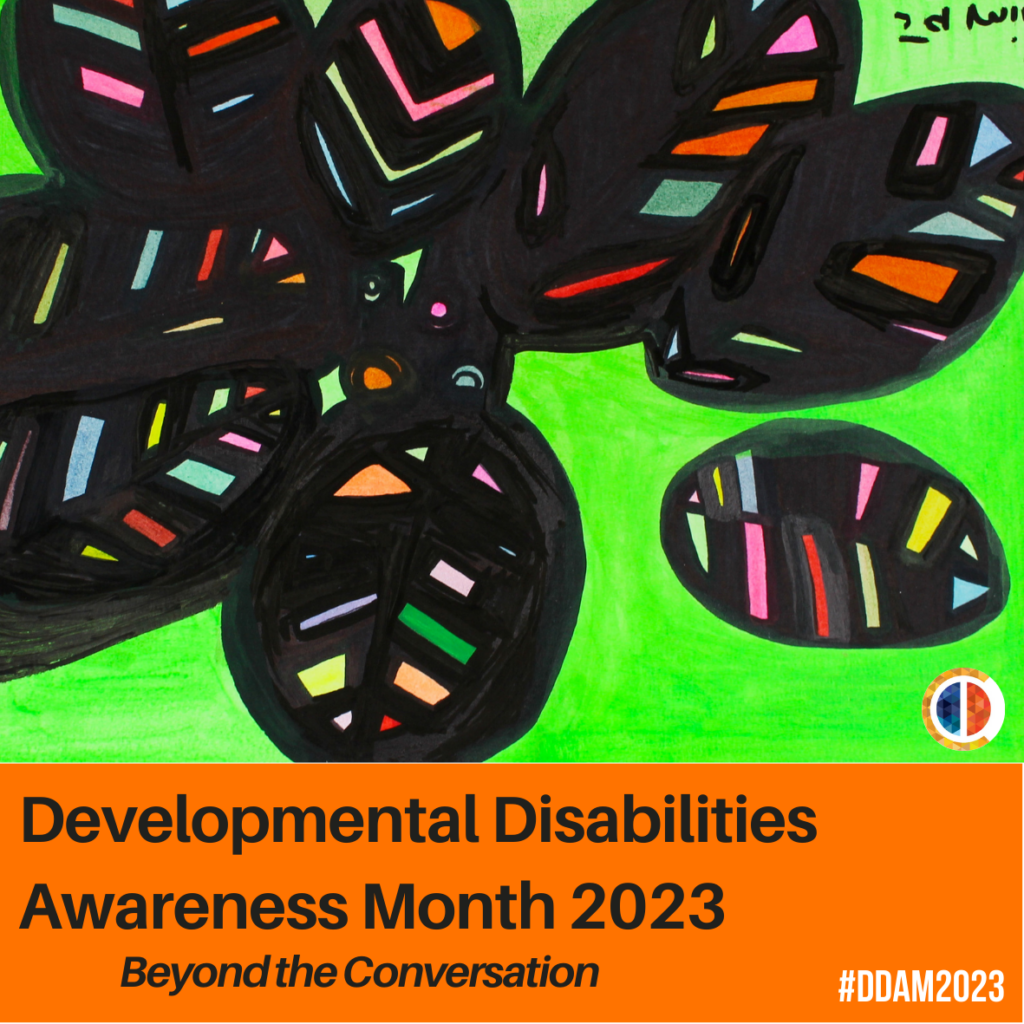
Montgomery, Ala. – National Developmental Disabilities Awareness Month is observed every March. This year’s theme "Beyond the Conversation" highlights the
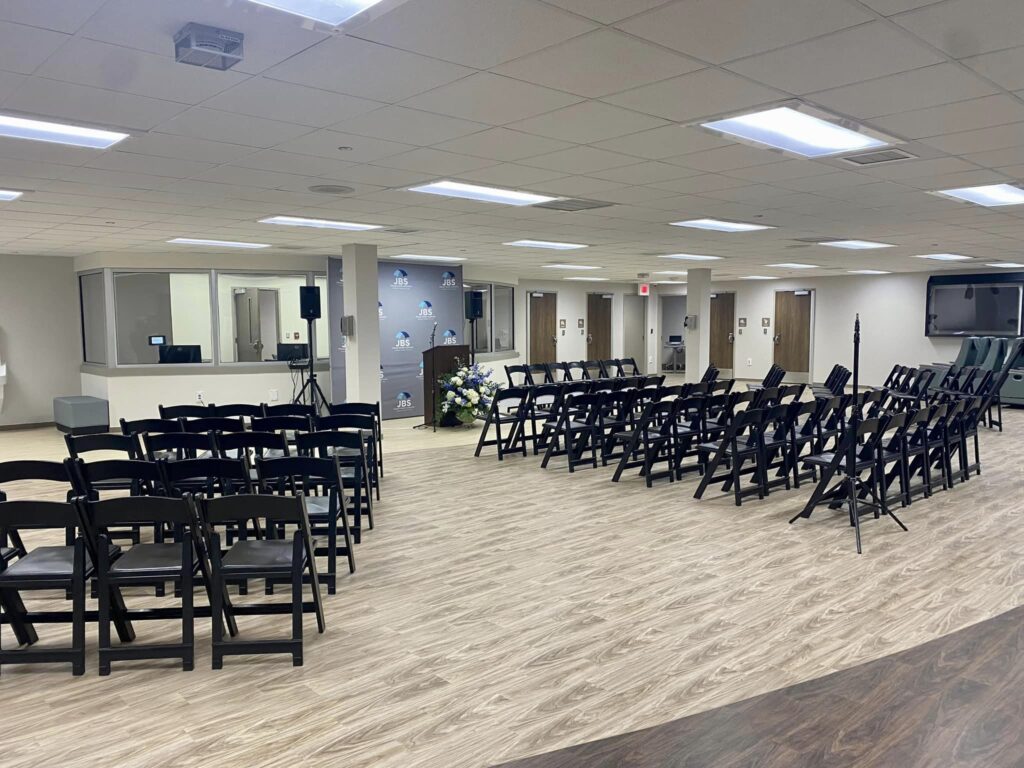
Reception area set up for JBS Craig Crisis Center ribbon cutting
JBS Mental Health Authority will soon begin operations at the Craig Crisis Care Center in Birmingham, serving 20 counties across
Alabama Fire College seal
Montgomery, Ala. - The Alabama Fire College (AFC), through a partnership with the Alabama Department of Mental Health(ADMH), will expand
THE HEALING POWER OF ART- THE 18TH ADMH CAPITOL SHOWCASE

Montgomery, Ala. – The Capitol Showcase, an art exhibition with pieces created by individuals with mental illnesses, substance use disorders, developmental disabilities, and co-occurring disorders, has been held annually at the Alabama State Capitol’s Old Supreme Court Library since 2005, by the Alabama Department of Mental Health (ADMH).

Untitled by Helen

We welcome you to visit and view the artwork during Mental Health Awareness Month. This year’s mental health awareness month theme is to Look around, Look within. Art offers an excellent approach to examine oneself and express emotions. Expressive art can help decrease depression, anxiety, and stress.

Many of the artist involved in this year’s showcase have remarked how art has given them an outlet and help them maintain recovery. ADMH encourages everyone to experience this year’s exhibit and learn more about art and mental health. The art will be on display in the Old Supreme Court Library in the State Capitol. A reception will be hosted on May 24 for the artists and supporters.

Untitled by Holly

To learn more about the Capitol Showcase and the Alabama Department of Mental Health, please call the Office of Public Information at 334-242-3417 or email peggy.olson@mh.alabama.gov.

###

Autism Acceptance Month: Celebrating Differences, Creating Connections, Empowering Communities

AUTISM ACCEPTANCE MONTH

Celebrating Differences, Creating Connections, Empowering Communities


Montgomery, Ala. – Join the Alabama Department of Mental Health (ADMH) as we celebrate Autism Acceptance Month. Throughout the month, ADMH and partners, such as the Alabama Interagency Autism Coordinating Council (AIACC), the Regional Autism Network and Autism Support of Alabama, among many others, will share messages and personal stories of awareness, acceptance, and inclusivity, beginning with the signing of the Proclamation for Autism Acceptance Month by Governor Kay Ivey.

We invite you to share in the Autism Society’s celebration and resources which encourages acceptance and to celebrates differences.  The Autism Society’s mission is to create connections, empowering, everyone in the Autism community, with the resources needed to live fully. What can you do? Learn more here.

According to Autism Speaks, Autism Spectrum Disorder (ASD) refers to a broad range of conditions characterized by challenges with social skills, repetitive behaviors, speech, and nonverbal communication. One in 44 children has been identified with autism spectrum disorder (ASD), according to the Centers for Disease Control (2021). ASD is more than four times more common among boys than among girls. More than 3.5 million Americans live with an autism spectrum disorder.

Signs of autism usually appear by age two or three. Some associated development delays can appear even earlier, and often, it can be diagnosed as early as 18 months. Over the years, the number of individuals diagnosed with ASD has increased, but research shows that early intervention leads to positive outcomes later in life for people with autism.

The ADMH Office of Autism Services values the uniqueness of all individuals and strives to provide comprehensive supports, serving hundreds of children and youth and their families, throughout all regions of the state. To learn more about the office and services offered, please visit https://mh.alabama.gov/autism-services/.

ADMH leads the Alabama Interagency Autism Coordinating Council (AIACC) which was created to meet the urgent and substantial need to develop and implement a statewide comprehensive, coordinated, multidisciplinary, interagency system of care for individuals with autism spectrum disorder and their families.

The Regional Autism Network (RAN) is supported by the AIACC and consists of five universities which serve as hubs for professional training programs, technical assistance and consultation services, direct assistance, and public education programs. The RAN is staffed by experts in the field of Autism Spectrum Disorder. The RAN networks are housed at Auburn University, University of Alabama, University of Alabama at Birmingham, University of Alabama in Huntsville, and University of South Alabama. Each Regional Autism Network strives to connect people with ASD, their families, educators, and service providers to the information and/or services that best meet their needs.

Many events take place in the month of April to celebrate individuals with ASD, their families and professionals who work in the field. For example, Alabamians will take part in the virtual or community Every Step Matters Walk for Autism in support of the one in 44 individuals affected by autism. Registration is open at https://www.walkforautismal.com/. Proceeds from the walks fund camps, family grants, safety initiatives, and more. Now more than ever, individuals with autism and their families need you!

###

Community Waiver Program Forum Announced

The Alabama Medicaid Agency invites providers, recipients, advocates, and other interested individuals to provide input during a public forum on the progress of the Community Waiver Program (CWP).

This forum is required by the Centers for Medicare and Medicaid Services (CMS) for the 1115(a) Demonstration Waiver that runs concurrently with the 1915(c) approved October 21, 2021, with an effective date of October 1, 2021.

Comments will be received during a public forum on Wednesday, May 3rd at 10 AM and 1 PM, virtually via Webex. If a participating individual would like to request an ASL interpreter, please contact the CWP Director, Byron White, via email at byron.white@mh.alabama.gov before or by 5PM on April 14, 2023.


Wednesday, May 3, 2023


10 a.m.-11 a.m.

To Join Online


https://medicaid.webex.com/medicaid/j.php?MTI D=m0610af571e949ba4ef4ecb41834659fa

Meeting number (access code): 2591 046 2366 Meeting password: PublicForum1

To Join by Phone


Dial: 1-650-479-3208 (US Toll)


Meeting number (access code): 2591 046 2366

Attendee number: enter #

Wednesday, May 3, 2023


1 p.m.- 2 p.m.

To Join Online


https://medicaid.webex.com/medicaid/j.php?MTI D=m939bc9dbebbf08cae054068920a3d7aa

Meeting number (access code): 2599 421 5352 Meeting password: PublicForum2

To Join by Phone


Dial: 1-650-479-3208 (US Toll)


Meeting number (access code): 2599 421 5352

Attendee number: enter #

The Community Waiver Program targets persons with intellectual disabilities not currently receiving services through the current Home and Community-Based Services Waivers, including the persons currently on the waiting list for the existing Intellectual Disabilities or Living at Home Waivers. The new waiver program offers services in five enrollment groups, based on age and relative independence, each with a set of services designed particularly to serve them.

The Community Waiver Program focuses on maintaining family relationships and promoting community inclusion and competitive employment, which are of utmost importance to an individual’s health, well-being, and happiness, by providing the needed supports that can enable individuals with developmental disabilities to continue to live with family or in their own homes.

The goals of the Community Waiver Program (CWP) include, but are not limited to the following:

  • Improve access to care by reducing and eventually eliminating the current waiting list for Home and Community Based Services (HCBS).
  • Keep families together, support independent living, and provide increased opportunities for self-direction.
  • Adopt a strategy for delivering HCBS that aims to prevent crisis and escalation of needs for individuals who do not currently require an institutional level of care.
  • Support the capacities that individuals with ID have to contribute to their community through participation in integrated community employment, while also better ensuring their financial stability in continuing to live in the community.

Information on the Community Waiver Program (CWP) is available on the following websites:

Alabama Awarded Grant to Develop Statewide Criteria for Certified Community Behavioral Health Clinics

ALABAMA AWARDED GRANT TO DEVELOP

STATEWIDE CRITERIA FOR

CERTIFIED COMMUNITY BEHAVIORAL HEALTH CLINICS  

Montgomery, Ala. – The Substance Abuse and Mental Health Service Administration (SAMHSA) has awarded the Alabama Department of Mental Health (ADMH), a Certified Community Behavioral Health Clinic (CCBHC) Planning Grant in the amount of one million dollars to develop statewide certification criteria for CCBHCs. A Certified Community Behavioral Health Clinic is a specially designated clinic that receives flexible funding to expand the scope of mental health and substance use services available in the community to ensure health equity and high-quality care for underserved populations.

Alabama’s Community Mental Health Centers and the ADMH have completed assessments to determine their preparedness for the development and implementation of the CCBHC integrated behavioral healthcare business model with high-quality care, practices, and reporting measures. This model will ensure improved access to and delivery of coordinated, comprehensive behavioral healthcare to all Alabamians.

The Alabama Crisis System of Care will be a foundational component of the CCBHC model, as the state has established six state-funded Crisis Centers, which will be operational in 2023. The CCBHC model is designed to increase access to behavioral health services, including crisis services, that respond to local community needs, incorporate evidence-based practices, and establish care coordination to help people navigate behavioral healthcare, physical healthcare, and social services. 

Within the year-long period of the grant, the ADMH will work with Alabama’s Community Mental Health Centers to plan a comprehensive behavioral healthcare business model to reduce disparities; improve access to care for marginalized communities; and develop a payment system that will reward quality over volume. The CCBHC model will also improve integration, reduce silos and support a sustainable and well-trained behavioral health workforce. A transition to the Certified Community Behavioral Health Clinic business model will ensure the statewide expansion of and access to mental healthcare for all Alabamians.


National Drug and Alcohol Facts Week 2023

NATIONAL DRUG AND ALCOHOL FACTS WEEK

March 20-26

Montgomery, Ala. – The Alabama Department of Mental Health (ADMH) celebrates and supports the annual National Drug and Alcohol Facts Week (NDAFW®), along with the National Institute on Drug Abuse (NIDA) and the National Institute on Alcohol Abuse and Alcoholism (NIAAA). The weeklong observance held March 20 – 26, inspires dialogue about the science of drug use and addiction among youth. It provides an opportunity to bring together students, educators, mental and physical healthcare providers, and community partners to help address youth drug and alcohol use in communities and nationwide.

During the week, youth participate in programs host by community providers to ask questions and speak openly about drugs and alcohol. “National Drug and Alcohol Facts Week offers prevention partners and providers around the state, the space and time to share crucial information with teens who ask questions and can give direct responses,” said ADMH Director of Prevention, Beverly Johnson.

ADMH has 23 Certified Prevention Providers that offer prevention activities aligned with the Centers for Substance Abuse and Prevention strategies including Alternative, Community Based Process, Education, Environmental, Information Dissemination, and Problem Identification and Referral. Through these strategies, providers implement and participate in prescription drug takeback events, health fairs, media campaigns, and various other national observance activities.


-more-

ADMH’s Office of Prevention will host the following activities during NDAW:

Monday, March 20

Topic: Stimulant Use

Press Release on National Drug & Alcohol Facts Week

Fact Sheet: The Reason for Prescriptions: Stimulants


Tuesday, March 21

Topic: Marijuana

Fact Sheet: Risk Factors and Protective Factors for Substance Use: Marijuana


Wednesday, March 22

Topic: Underage Drinking and Alcohol Use

Facts Sheet Comorbidities: Mental Disorders and Substance Use Disorders: Alcohol

Word Search


Thursday, March 23

Topic: Opioids

Fact Sheet: Reducing Stigma: Opioids


Friday, March 24

Topic: Promoting Positive Minds: Self-awareness and promote strategies for supporting positive mental and emotional health

Breathing Exercises with Guided Meditation | 5 Minutes |


Events are coordinated by the Office of Prevention. Contact Satavia Mann, 334-353-8866, for more information


###

Developmental Disabilities Month 2023-Beyond the Conversation

Montgomery, Ala. – National Developmental Disabilities Awareness Month is observed every March. This year’s theme “Beyond the Conversation” highlights the ways in which people with and without disabilities come together to form strong, diverse communities.  This year’s theme asks the question, “Once the conversations have taken place, what comes next?” This month offers us the opportunity to ask, “What are communities doing to create change?”

To celebrate the month, the Alabama Department of Mental Health (ADMH) and the Alabama Council on Developmental Disabilities (ACDD) are advocating and increasing awareness about the inclusion, acceptance, and understanding of people with developmental disabilities in all aspects of the community. Governor Kay Ivey proclaimed March Developmental Disabilities Awareness Month, helping raise awareness and advocate for the inclusion of individuals with developmental disabilities. Information about community services and important resources to increase independence and opportunity and will be shared on the ADMH website and social media pages. Success stories showcasing individuals who are changing their lives will be showcased all month long as well.

It is estimated that approximately 2.5 percent or 120,000 Alabamians are born with or may develop a disability. Developmental disabilities are a group of conditions due to functional impairment in physical, learning, language, or behavior areas. These conditions begin at birth or during the developmental period, may impact day-to-day functioning, and usually last throughout a person’s lifetime.

The development of an inclusive community is vital for the benefit and well-being of people with disabilities. ADMH is dedicated to enhancing and increasing resources and services so that people with disabilities can reach their full potential. To learn more about support for individuals with disabilities, please visit https://mh.alabama.gov/developmental-disabilities-services/ .

Governor Ivey and Community Partners Celebrate Ribbon Cutting at Alabama’s Newest Crisis Center

JBS Mental Health Authority will soon begin operations at the Craig Crisis Care Center in Birmingham, serving 20 counties across Central Alabama


BIRMINGHAM, Ala. – January 24, 2023 – Today, Governor Kay Ivey joined the Alabama Department of Mental Health (ADMH), JBS Mental Health Authority, Jefferson County Sheriff’s Department and other community leaders for an exclusive look, ribbon cutting and dedication ceremony at the Craig Crisis Care Center in Birmingham.

Serving 20 counties across Central Alabama, the Craig Crisis Care Center is designed to support individuals facing a mental health or substance use crisis. The facility is one of six Crisis Centers across the state that make up Alabama’s Crisis System of Care.

“Strengthening Alabama’s mental healthcare access has been a top priority for my administration from the beginning, and I’m proud to celebrate the opening of Alabama’s fourth Crisis Center here in Birmingham,” said Gov. Ivey. “Throughout every major region in Alabama, we are working diligently to improve our mental health landscape to ensure we create positive change in the lives of Alabamians who need it most.”

In 2020, Governor Ivey and the Alabama Legislature allocated $18 million to establish three Crisis Centers across the state in Huntsville, Mobile and Montgomery, followed by an additional $6 million for Birmingham in 2021. Last year, the Governor announced funding for two additional Crisis Centers in Tuscaloosa and Dothan.

Historically, there have been few immediately accessible options in Alabama for individuals facing a mental health or substance use crisis. As a result, local jails and emergency departments have become inundated with individuals in a behavioral health crisis. The Craig Crisis Care Center will be a designated place for communities, law enforcement, first responders and families to provide individuals with the timely professional services they need in the most appropriate environment. Instead of waiting several hours to admit an individual to a jail or emergency department, law enforcement will be able to warmly hand-off individuals at the Crisis Center in 15 minutes or less.

“We have a tremendous need for 24/7, 365 mental health care in Jefferson County,” said Kimberly Boswell, Commissioner of the Alabama Department of Mental Health. “Bringing the Craig Crisis Care Center to fruition is the result of a connected, community-driven effort that will save lives by offering some place to go for those in a mental health or substance use crisis. The center will also save significant time and resources for our law enforcement, alleviating a strain on jails and emergency departments.”

Under the leadership of JBS Executive Director Jim Crego and Dr. Sabrina Scott, director of the Craig Crisis Care Center, the facility will include 32 temporary observation beds with a 23-hour maximum length of stay and 16 extended observation beds, accommodating individuals for one to five days. Once patients are stabilized, the Crisis Center team will work directly with community partners and hospitals to coordinate appropriate aftercare services.

“Our team at JBS has a tremendous opportunity to be at the forefront of mental health and substance use crisis care in Jefferson County,” said Crego. “We only represent one piece of a substantial local and statewide community effort that made it possible to bring this incredible facility to Birmingham. From law enforcement and legislators to advocacy groups, fellow nonprofits and hospitals, we are grateful to have built such an incredible network of dedicated partners.”

The Craig Crisis Care Center is named after Dr. Richard Craig, who served as the executive director of JBS Mental Health Authority for 23 years. A veteran mental health trailblazer and advocate, Dr. Craig helped kickstart the initial conversation around the need for Alabama’s Crisis System of Care decades ago. Throughout his extensive career, he won numerous awards and accolades, including the NAMI Alabama Lifetime Achievement Award and the Annual Alabama Institute for Recovery H.O.P.E. Award.

“Dr. Craig’s incredible leadership and enthusiasm for implementing new mental health services has positively impacted countless individuals and families across the state,” added Crego. “He will forever be engrained into the fabric of Alabama’s Crisis System of Care.”

The Craig Crisis Care Center will be open 24/7/365 and will provide services regardless of an individual’s ability to pay. JBS anticipates beginning operations in the coming weeks and is in the process of hiring for several positions including nurses, clinicians and technicians. For more information, please visit jbsmentalhealth.com/employment.

# # #

About JBS Mental Health Authority

Jefferson-Blount-St. Clair Mental Health Authority (“JBS”) was incorporated in 1968 and has been a pioneer in 310 Board and Community Mental Health Center service provisions for more than 50 years. As a regional, public nonprofit, JBS provides mental health services to children, youth and adults in a manner that encourages resilience and wellness. Through education, treatment and support, JBS strives to help each person to live a meaningful and productive life of their choice.

About Alabama Department of Mental Health

The Alabama Department of Mental Health serves approximately 200,000 Alabama citizens with mental illnesses, developmental and intellectual disabilities, and substance use disorders. The department strives to Serve, Empower, and Support while promoting the health and well-being of Alabamians. Visit www.mh.alabama.gov for more information.

Help for the Helpers: Peer Support for Firefighters

Montgomery, Ala.The Alabama Fire College (AFC), through a partnership with the Alabama Department of Mental Health(ADMH), will expand a peer support program to strengthen emergency responder mental wellness while on the job and off. With the creation of the peer support program, Alabama will be one of the first states in the nation to implement the Recruit School curriculum and allow the Alabama Fire College to enact full deployment of the Alabama First Responder Peer Support Program.

Research indicates many first responders are more susceptible to developing a behavioral health condition or substance use disorder compared to their counterparts. Understanding this and advocating for mental health care of first responders is vital.
This new statewide program originated with the Professional Fire Fighters of Alabama (PFFA) in 2018. “It was very evident from the beginning that the PFFA couldn’t keep up with the demand to assist all firefighters across this great state with their peer needs” says David J. Harer, President of the PFFA. From that point, it merged with the AFC to ensure the program focused on the mental needs of firefighters, specifically in Alabama.

The main objective is to train a group of emergency responders in each of the state’s ten regions in awareness and operational peer assistance. The efficacy and health of first responders are influenced by their mental health. By lessening the stigma of mental illness and by offering peer support, the program can also help sustain a more healthy and productive work environment.

Harer continued, “We are very excited and thankful for Alabama Fire College (AFC) to work with the ADMH.” The peer support program will connect any member with personal, emotional, or professional challenges to a certified peer support member of the fire service. The program will provide mental health and substance use disorder education, referrals, crisis intervention, and more.
The Alabama Department of Mental Health facilitates the training and education for many peer support programs, including supportive employment initiatives. To learn more, please contact the Office of Peer Programs at (334) 242-3456. For more information on the Alabama First Responder Peer Support Program, visit www.afrps.com.